
Uniform buying guides
Clear answers to the questions buyers ask most, from measuring staff to writing a procurement specification.

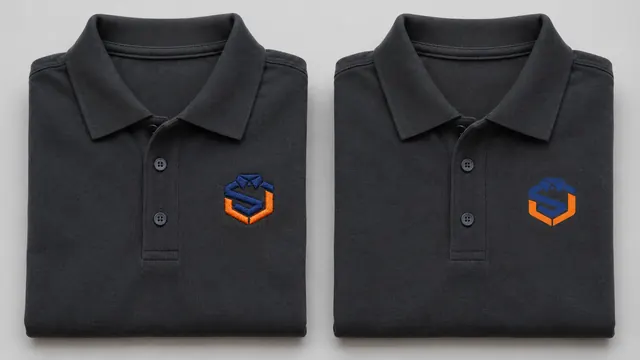
Embroidery vs printing for staff uniforms
Choose embroidery for a durable, premium chest logo on polos, shirts, caps and chef coats. Choose printing for large, full-colour or back designs on T-shirts and promotional wear. Many uniform programmes use both.
Read the guideHow to measure and collect uniform sizes
Measure chest, waist, shoulder and length over light clothing with a soft tape, then compare with the size chart for the specific garment. For teams, collect sizes on one sheet per branch before ordering.
Read the guide
Choosing fabric for restaurant and kitchen uniforms
Kitchen staff usually benefit from breathable cotton or cotton-rich blends; front-of-house staff often prefer poly-cotton blends that hold their shape and resist creasing. Aprons need durable woven fabric.
Read the guide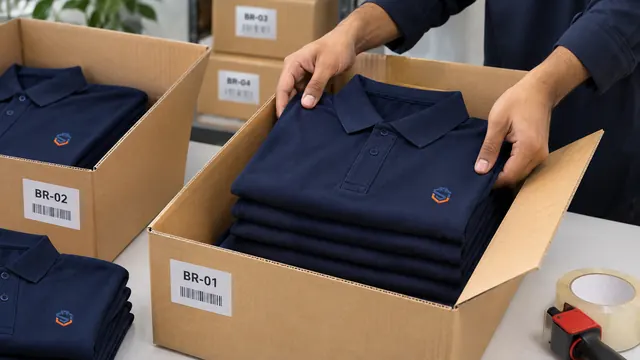
Bulk uniform ordering checklist
Before requesting a bulk quote, prepare the garment list per role, quantities and sizes per branch, logo files and positions, colours, delivery cities and your deadline. Missing details can follow, but these six items speed up an accurate quotation.
Read the guide
How to choose staff uniforms for your business
Start with what each role does all day, then choose garments that suit the work, add consistent branding, and plan sizes and quantities. Comfort and durability matter as much as appearance.
Read the guide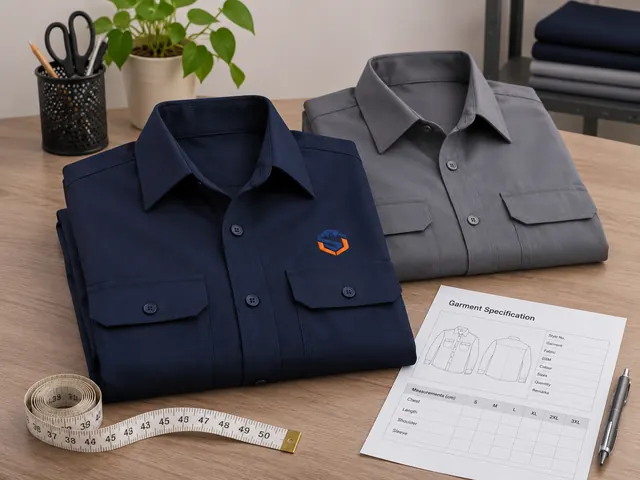
How to prepare uniform specifications for procurement
A clear uniform specification lists each item's fabric, colour, construction, branding, size schedule, quantity, sample requirements, delivery locations and timelines, so every supplier quotes against the same requirement.
Read the guide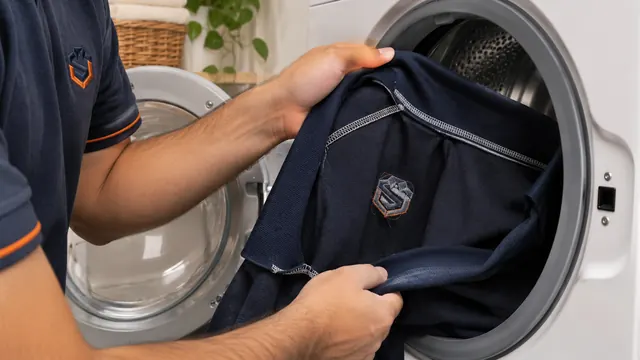
How to wash and care for staff uniforms
Wash uniforms inside out at moderate temperatures, avoid bleach on coloured garments, skip very hot tumble drying and never iron directly on prints. Always follow the care label first.
Read the guide
Polo shirts vs dress shirts for staff
Choose dress shirts for formal, customer-facing roles such as reception, banking and hotel front desks. Choose polo shirts for active, smart-casual roles such as retail, field sales, events and support teams. Many companies use both with the same logo.
Read the guide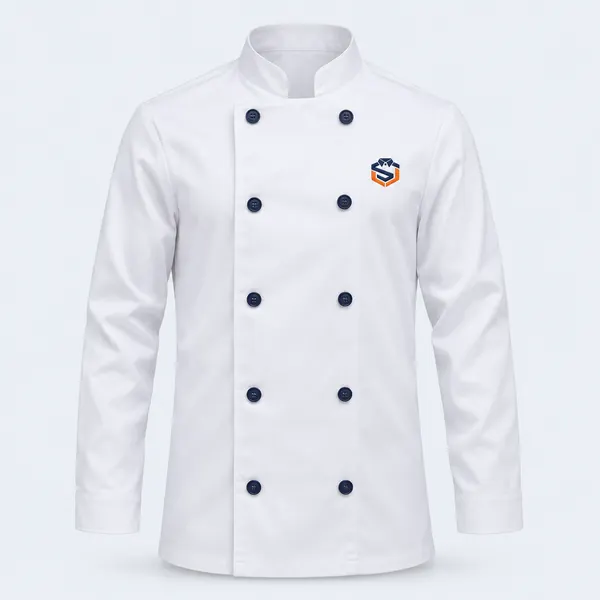
Chef coat buying guide
Pick a chef coat by kitchen heat, role and look: breathable fabric for hot kitchens, double-breasted for a classic look and reversible front, short sleeves for heat, and embroidered logos and names for a professional finish.
Read the guide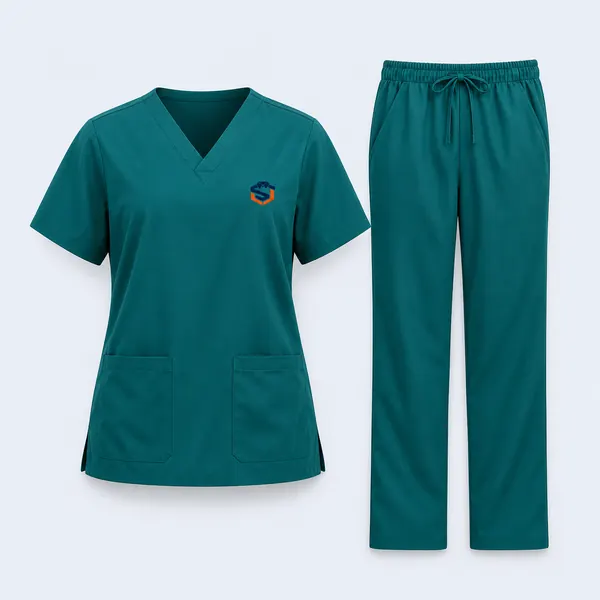
Medical scrub size guide
Measure chest and hips for scrub tops and waist, hips and inseam for trousers, then compare with the scrub's own size chart. For hospitals, collect sizes per department and colour on one sheet before ordering.
Read the guide
Choosing industrial workwear
Match workwear to the hazard and the task: coveralls for dirty or oily work, two-piece shirt and trouser sets for easier movement and toilet breaks, dark colours to hide marks, and certified PPE only where a specific standard is required.
Read the guide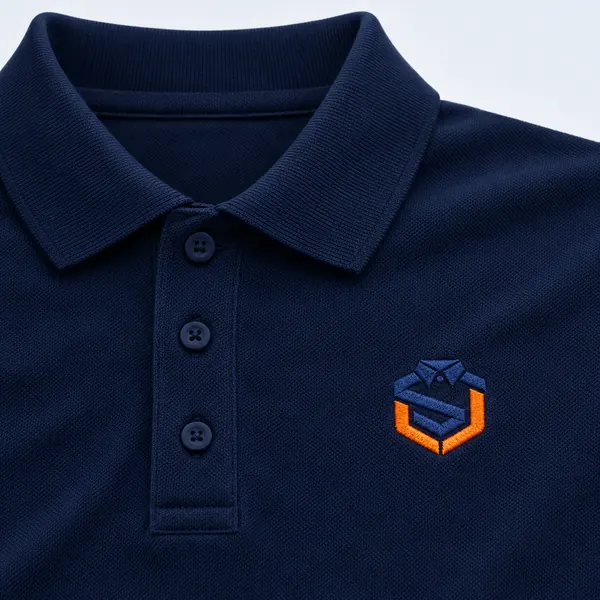
Branding corporate uniforms
Keep corporate uniform branding consistent: one logo size and position per garment type, colours matched to your brand, names and designations where customers need them, and an approved design on file for reorders.
Read the guide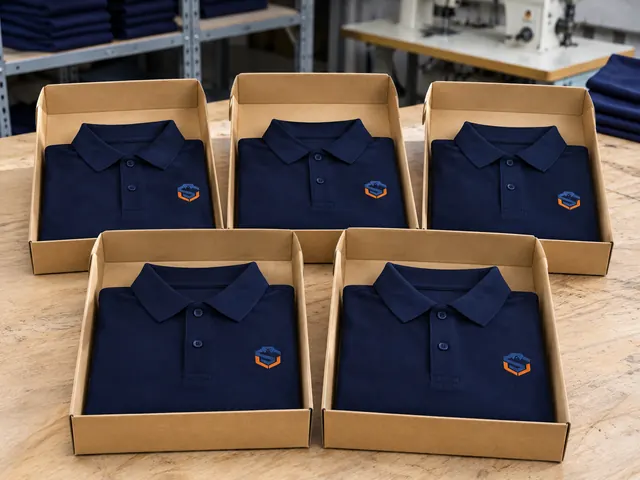
Planning a staff uniform budget
Budget by sets per employee, not single garments: most daily-wear roles need more than one set so one can be washed while the other is worn. Price depends on garment, fabric, branding method, logo positions and quantity.
Read the guide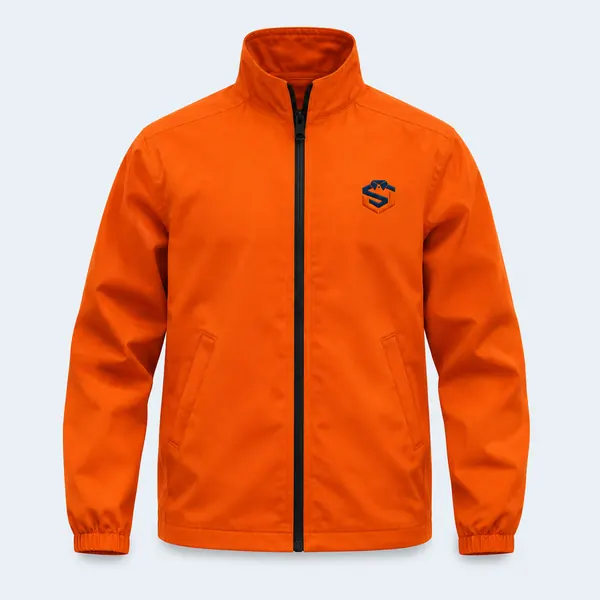
Winter uniforms for business teams
Keep the uniform look in winter with branded outer layers: jackets for outdoor and rider teams, sweatshirts or hoodies for casual roles, and full-sleeve polos or shirts as a base layer, all carrying the same logo.
Read the guide